


General Pet Care
Keeping your dog healthy starts with consistent, everyday habits. A balanced diet, fresh water, and routine veterinary checkups help prevent health issues and ensure your pup ages gracefully.
Grooming also plays a key role—regular brushing, nail trims, and ear cleanings keep your dog comfortable and reduce the risk of infections. And of course, exercise is foundational.
Daily walks help maintain a healthy weight, support joint mobility, and give dogs the structured routine they naturally crave. These basics may seem simple, but together they create a strong foundation for your dog’s long-term well-being.
Understanding Behavior
Dogs communicate constantly, even when they’re silent. Tuning into their body language helps you better understand their needs, stress levels, and emotions.
A wagging tail doesn’t always mean excitement, and a yawn isn’t always about being tired—many behaviors are subtle cues. Recognizing signs of anxiety, overstimulation, or discomfort helps prevent unwanted reactions on walks or at home.
Building trust through patient, positive interactions creates a confident dog who feels safe exploring the world. When owners understand what their dog is “saying,” the bond becomes stronger and day-to-day life becomes more harmonious.
Training & Obedience
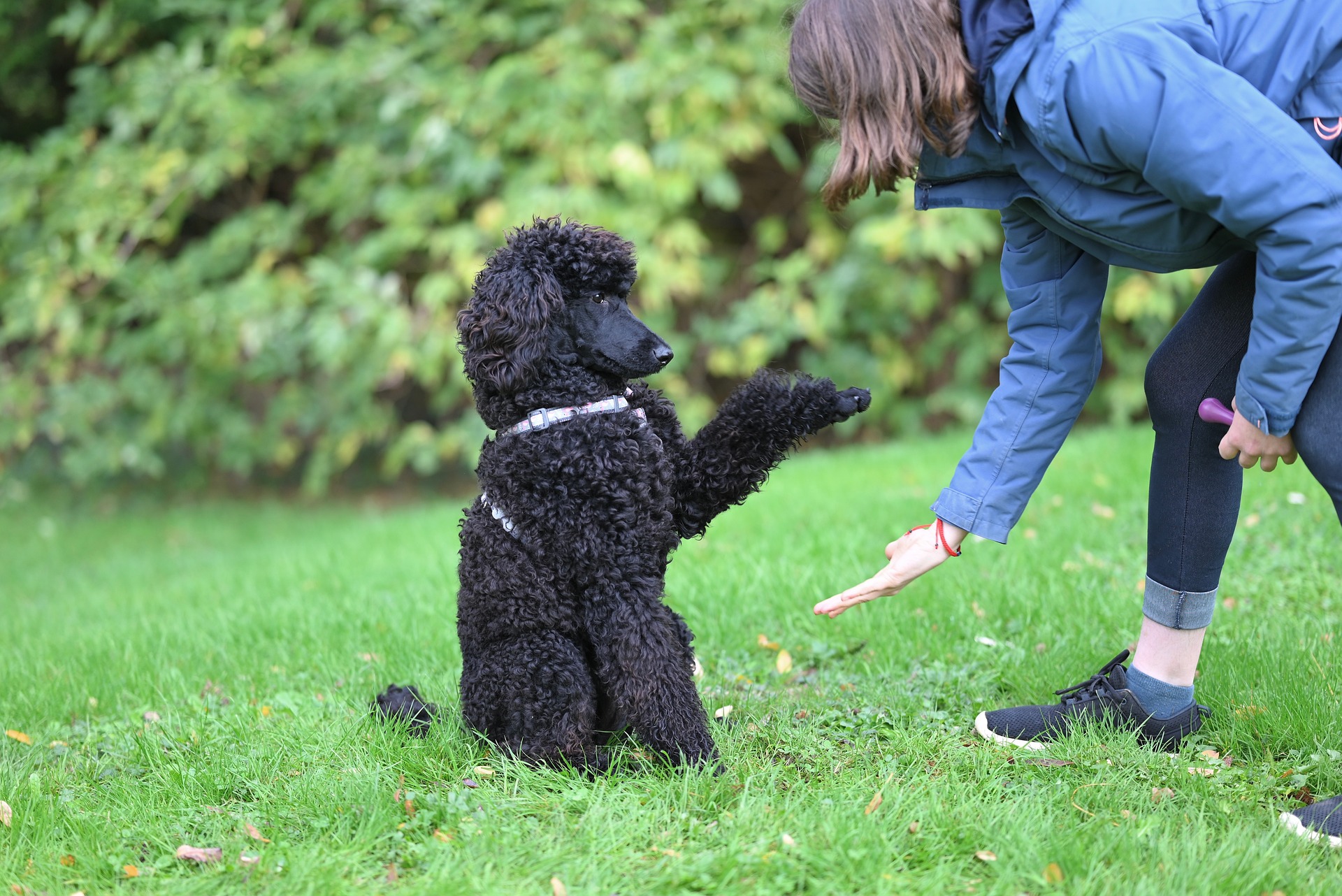
Training doesn’t have to be complicated—what matters most is consistency. Short, fun sessions a few times a week can dramatically improve behavior and make walks more enjoyable.
Reinforcing basic cues like sit, stay, leave it, and come teaches your dog how to navigate real-life situations safely. Leash manners are especially important for dog walkers; loose-leash walking helps prevent pulling, lunging, and frustration for both pup and handler.
Positive reinforcement—rewarding what your dog does right—builds confidence and speeds up learning far more effectively than punishment. Every dog learns differently, so patience and praise go a long way.
Socialization & Environmental Exposure
Introducing your dog to new people, surfaces, sounds, and situations builds resilience and reduces fear-based behaviors. Socialization isn’t just for puppies—adult dogs benefit from it, too.
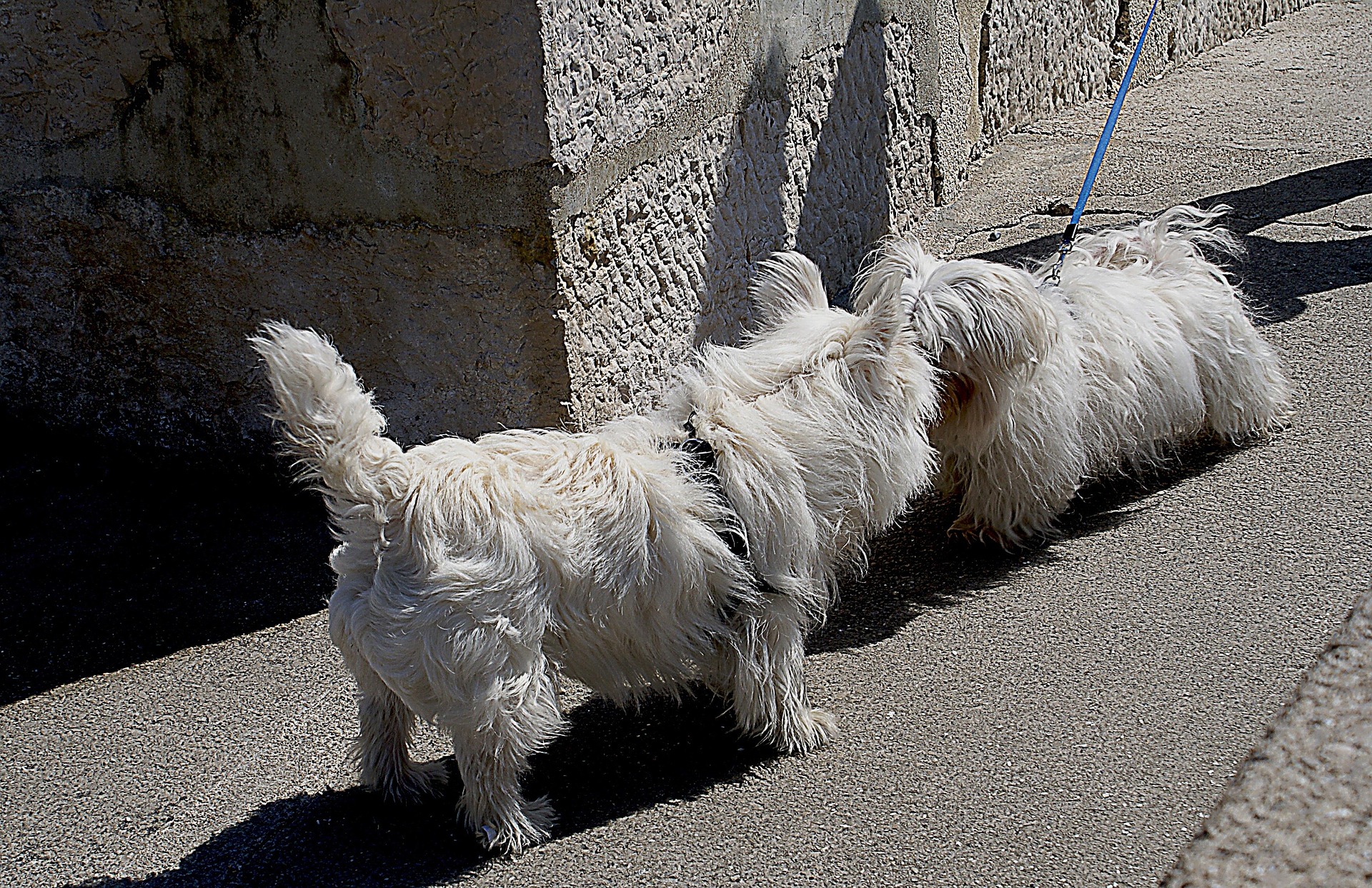
Controlled interactions with other dogs, exposure to different walking routes, and gradual introductions to new stimuli (like bikes or strollers) help dogs stay calm in everyday scenarios.
A well-socialized dog is easier to walk, more adaptable, and better equipped to handle surprises.
Enrichment & Mental Stimulation
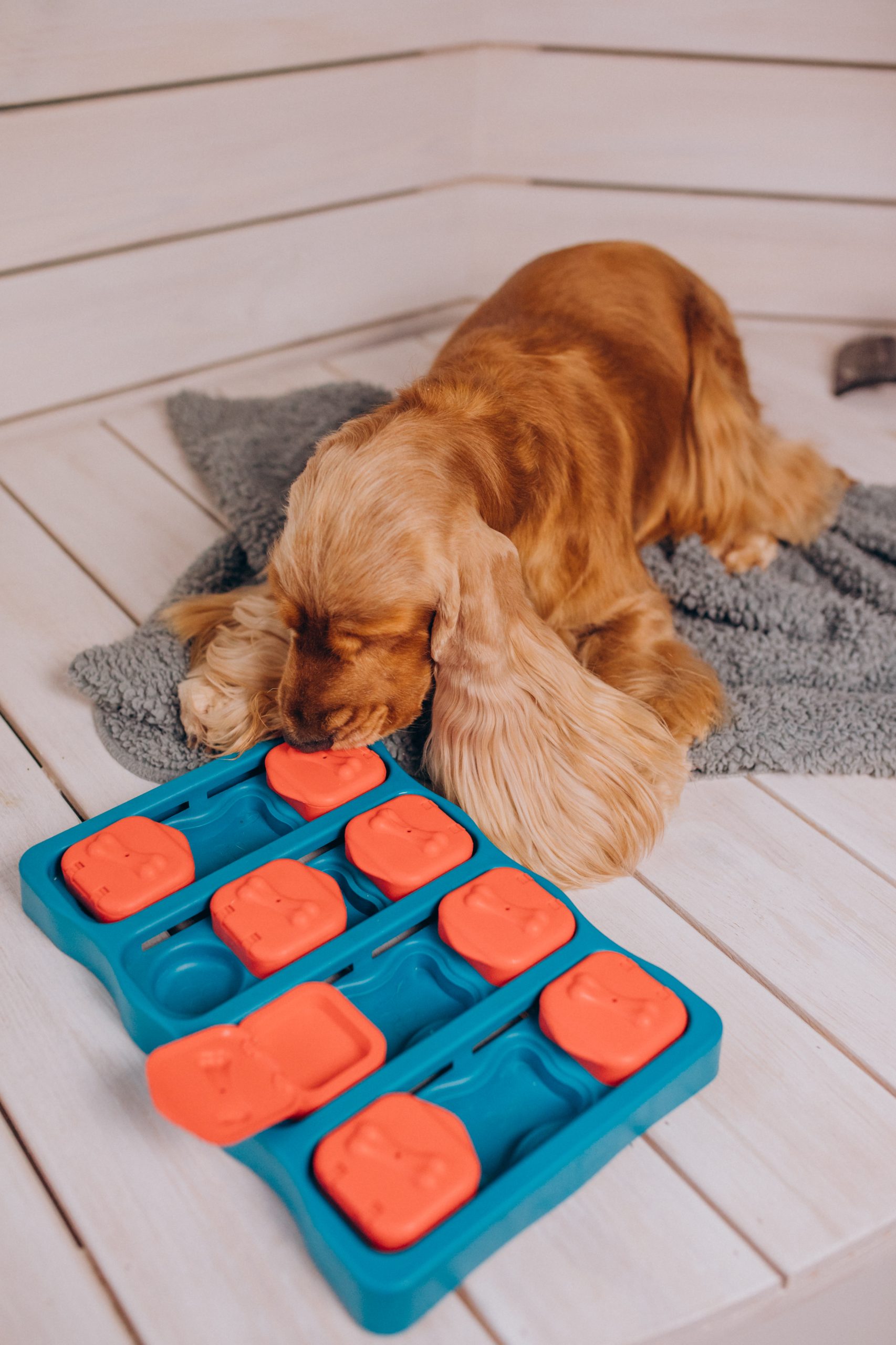
A tired dog isn’t just physically active—they’re mentally fulfilled. Dogs thrive when they’re given opportunities to think, sniff, and explore.
Puzzle toys, scent games, and rotating walking routes keep their minds engaged. Even simple activities like letting them sniff during a walk provide valuable mental exercise.
Mental enrichment prevents boredom-related behaviors like chewing, barking, or digging and helps create a more balanced, content dog overall.
Safety Tips for Walks
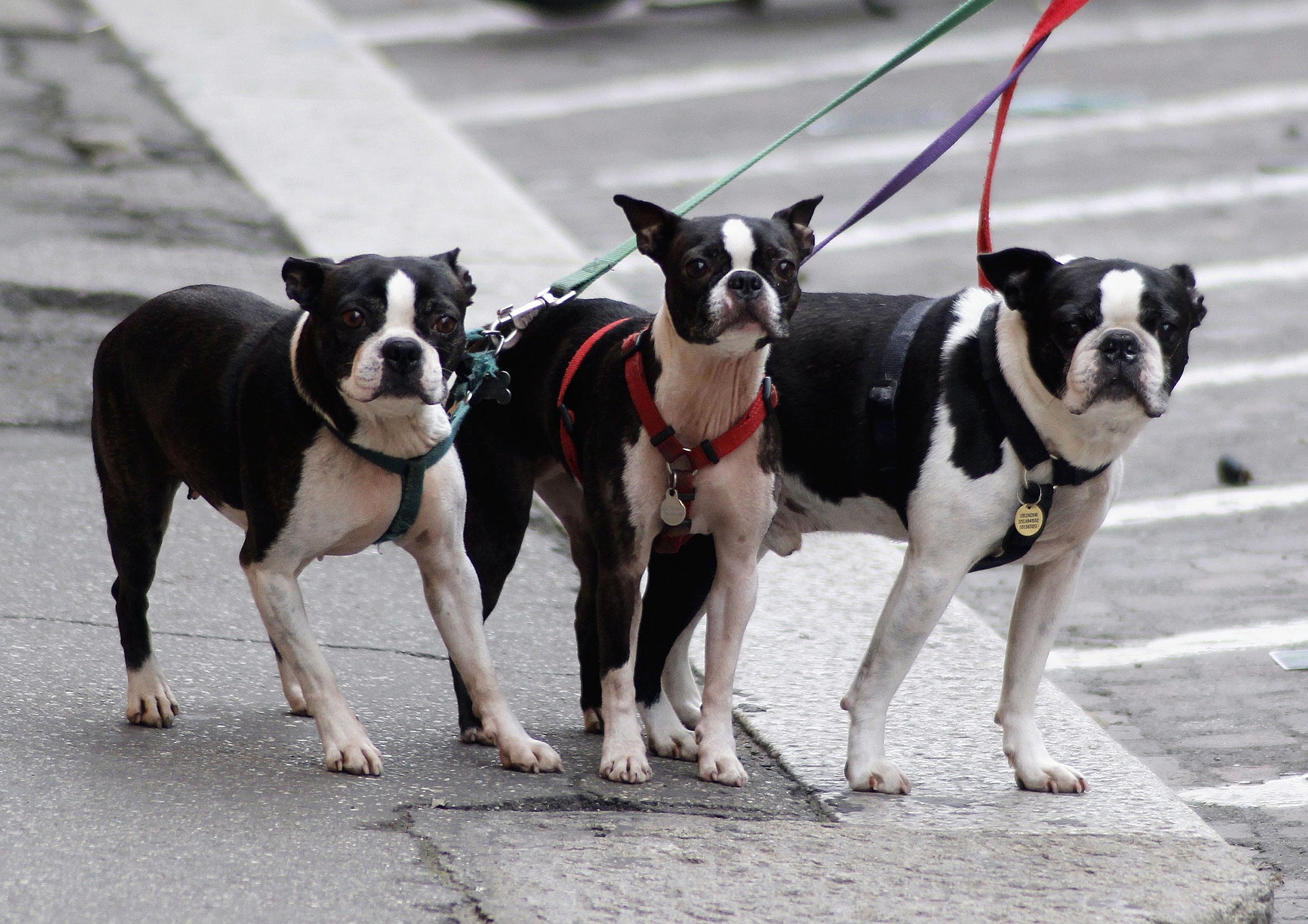
Safety is everything when your dog is out exploring the world. Using a secure, well-fitted harness and a sturdy leash helps prevent escapes and injuries.
Keeping identification tags updated—and ideally pairing them with a microchip—ensures your dog can be reunited quickly if they ever get lost.
Weather awareness is also crucial: hot pavement, icy sidewalks, or extreme temperatures can put your pup at risk. A little planning and the right gear make every walk a safe, enjoyable adventure.